
Three are Critically Endangered, while a fourth is already extinct in Italy as a breeding species. On International Vulture Awareness Day, celebrated on 5 September, the Italian Union of Zoos and Aquariums (UIZA) is drawing attention to the situation of the four vulture species found in Italy: the griffon vulture, bearded vulture, Egyptian vulture and cinereous vulture.
These birds perform an irreplaceable ecological function by rapidly consuming carcasses and limiting the proliferation of pathogens. Yet, according to UIZA, vultures have historically suffered from a deeply negative public image that has also contributed to their persecution.
“And yet, these are animals that, more than others, have paid the price of a very bad reputation, widespread in the past, which has persecuted them,” said Cesare Avesani Zaborra, president of the Italian Union of Zoos and Aquariums (UIZA), on the occasion of International Vulture Awareness Day. “In addition to rebuilding wild populations, we must now also act to rehabilitate their image among the public, definitively putting aside many of the prejudices that have contributed to their disappearance.”
Griffon vulture: releases have strengthened Italian populations
The griffon vulture (Gyps fulvus), classified as Critically Endangered in the Italian Red List, is currently the most numerous vulture in Italy, with populations concentrated mainly in Sardinia, Sicily, the central Apennines and the Alps.
Many individuals born in zoological institutions have been released to strengthen populations in Sardinia and Friuli-Venezia Giulia.
The species is one example of the contribution that populations managed under human care can make to conservation programmes in the wild.
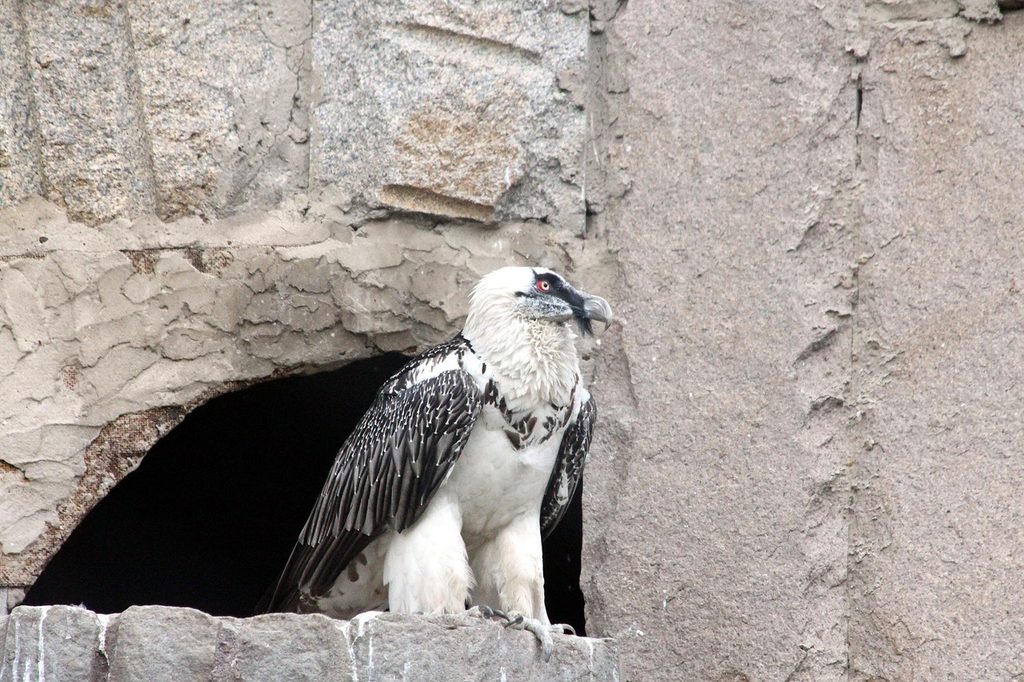
Around 220 bearded vultures reintroduced since the 1980s
The bearded vulture (Gypaetus barbatus) is also classified as Critically Endangered in Italy.
The species disappeared from the Italian Alps at the beginning of the 20th century but later returned through an international programme based on ex situ reproduction.
Since the 1980s, approximately 220 individuals born within the network of zoos and specialised centres have been reintroduced into the wild, according to UIZA.
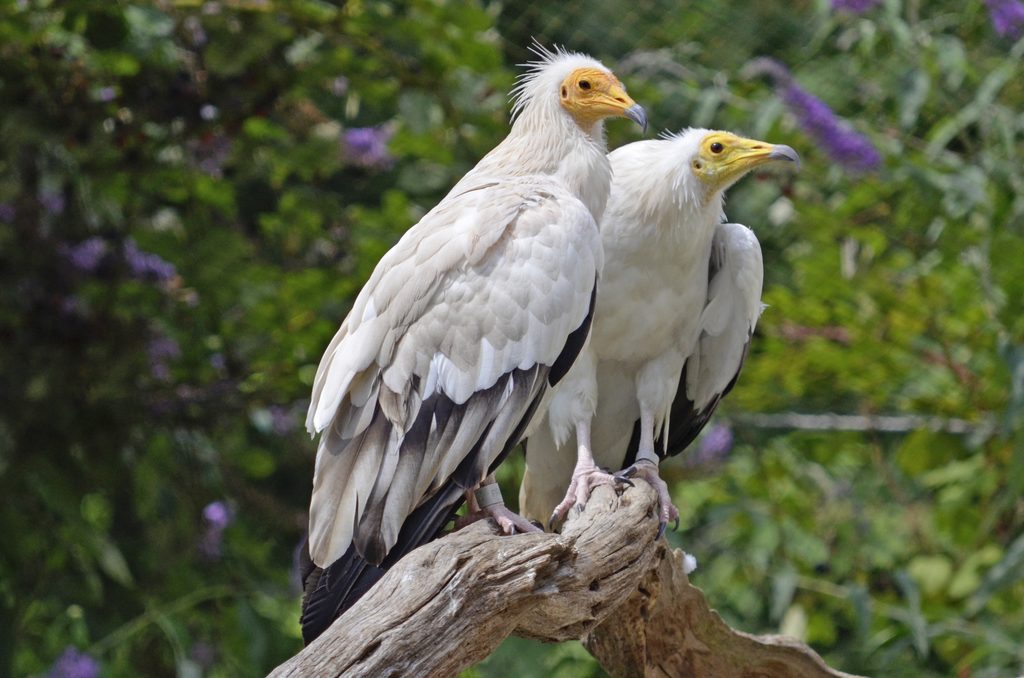
Only around 12 pairs of Egyptian vultures remain
The Egyptian vulture (Neophron percnopterus) is also classified as Critically Endangered and is considered Italy’s most threatened vulture.
Its population has declined dramatically: from 71 pairs recorded in 1970 to around 12 today, concentrated in southern Italy.
For this species too, a long history of reproduction under human care has made it possible to release young individuals into the wild and monitor them during their migrations towards Africa.
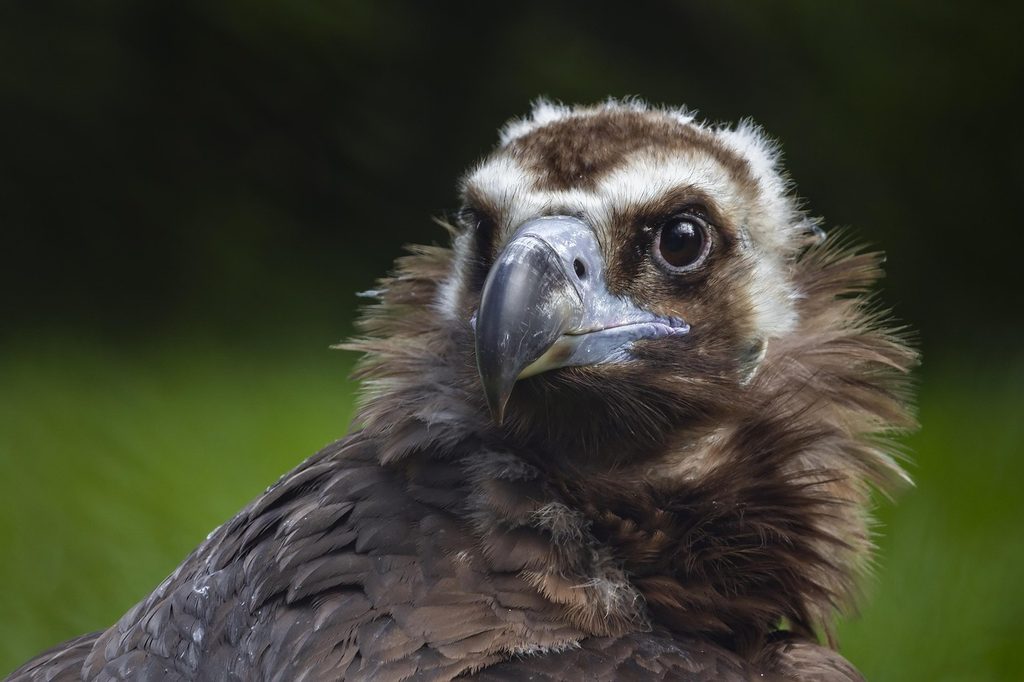
Cinereous vulture extinct as a breeding species in Italy
The situation is different for the cinereous vulture (Aegypius monachus), which is classified as Regionally Extinct in the Italian Red List because it has disappeared from the country as a breeding species.
Individual birds occasionally return to Italy, while new projects are assessing the possibility of restoring a population, starting with Sardinia.
For UIZA, reintroductions are only one part of the work needed to bring vultures back. Ex situ reproduction, preparation for release, satellite monitoring and the treatment of injured birds must be accompanied by action against the major causes of their decline, including poisoned baits, lead contamination, illegal killing, electrocution and collisions with power lines.
“Ex situ reproduction, preparation for release, satellite monitoring, care of injured individuals and action against the main causes of global decline such as poisoned baits, lead contamination, illegal killings, electrocutions and collisions with power lines are all tools for winning the repopulation challenge,” Avesani Zaborra concluded. “But bringing vultures back to the wild is not enough: we must also restore to them the place they deserve in the collective imagination. For centuries we have associated them with death, dirt and misfortune, when instead they are silent sentinels of the natural world: they rapidly eliminate carcasses, limit health risks for wildlife, farmed animals and people, returning nutrients to the environment. Rehabilitating their image means making a concrete contribution to their conservation.”

 highlights the conservation status of Italy’s four)