
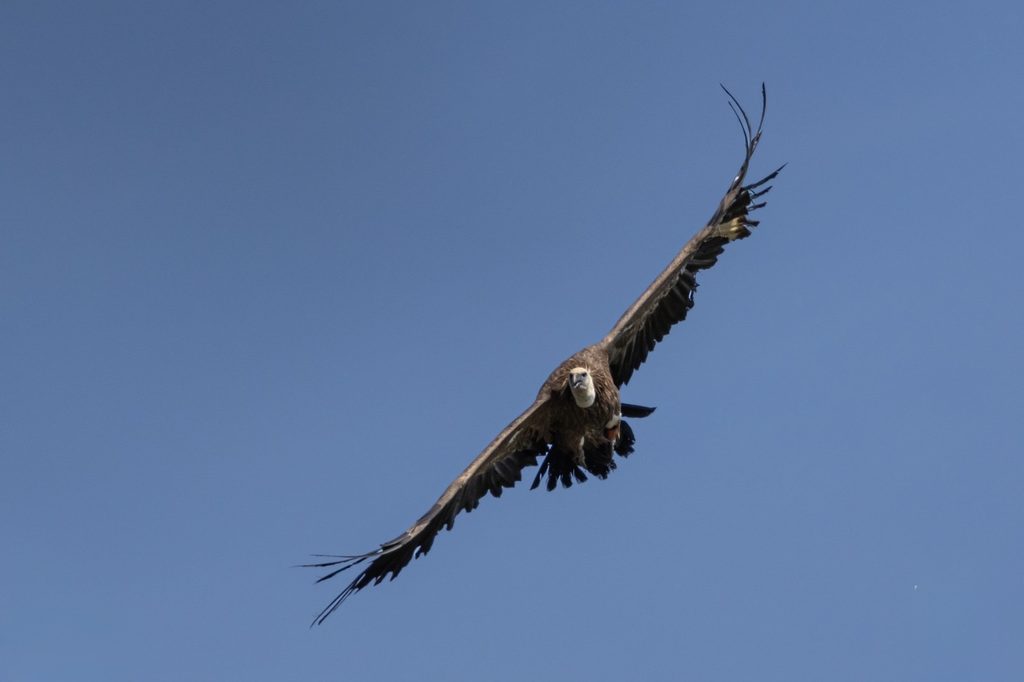
From Parco Zoo Falconara in central Italy to the skies of Sardinia: a young griffon vulture (Gyps fulvus) named Sky has been released into the wild after being born under human care.
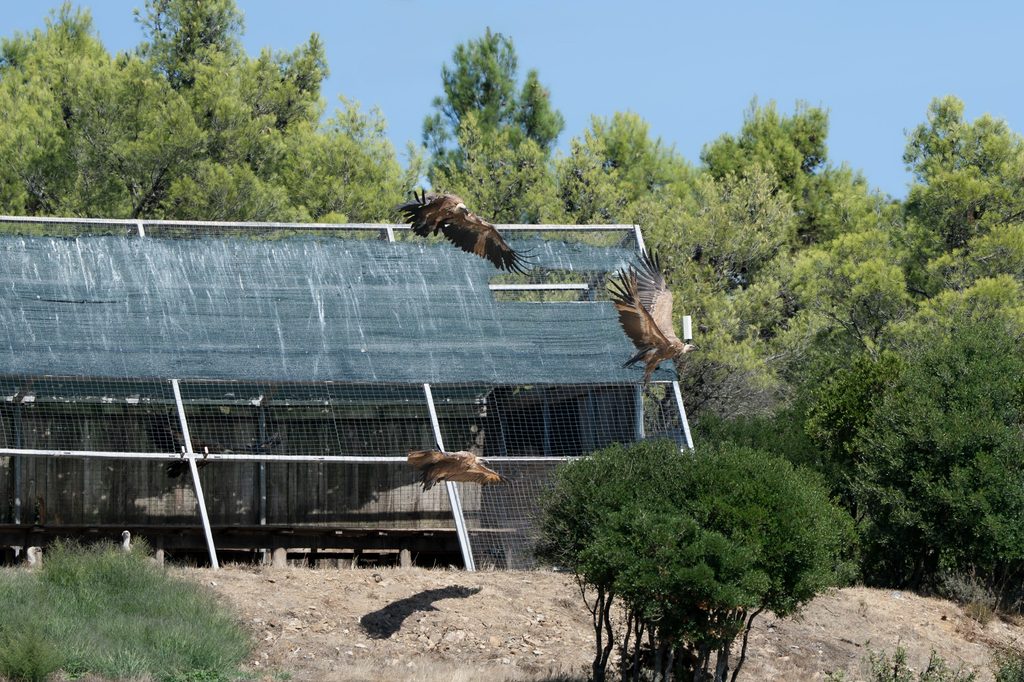
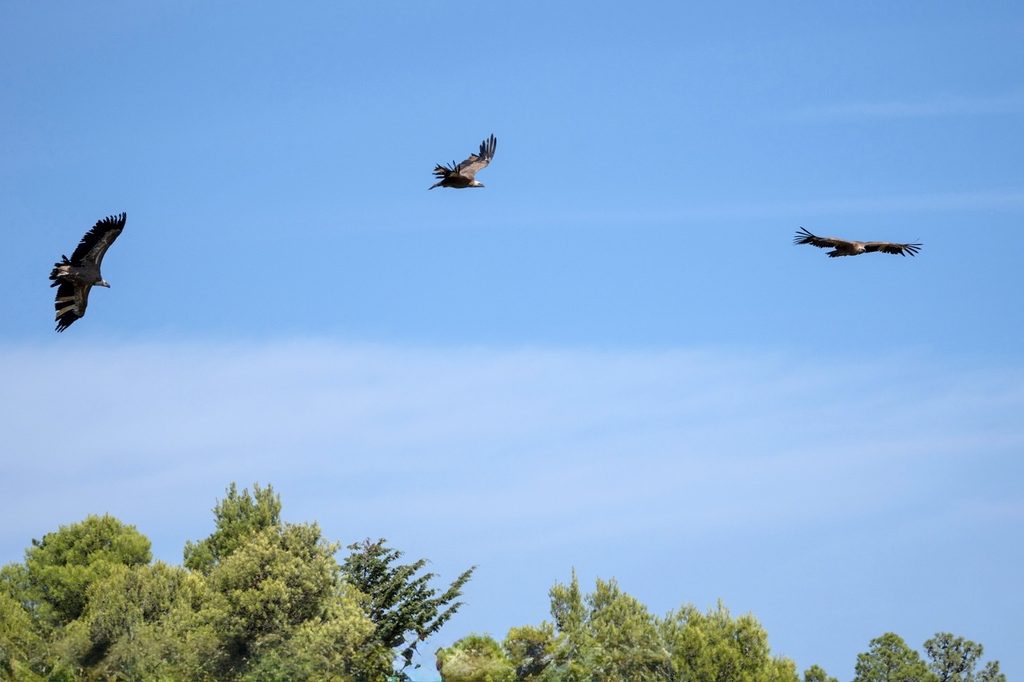
The bird was released in early October near Villasalto, in southern Sardinia, as part of the European LIFE Safe for Vultures conservation project.
Sky was among 16 griffon vultures released during the latest operation and was the only individual born in Italy. The remaining birds came mainly from Spain and the Czech Republic.
The release brings the total number of griffon vultures reintroduced to Sardinia since 2021 to 84, supporting efforts to restore and strengthen the species’ presence on the island.
From Parco Zoo Falconara to the Monte Genis acclimatisation aviary
Sky hatched at Parco Zoo Falconara, in the Marche region of Italy, as part of a breeding group comprising four griffon vultures, all originally transferred from a wildlife rehabilitation centre.
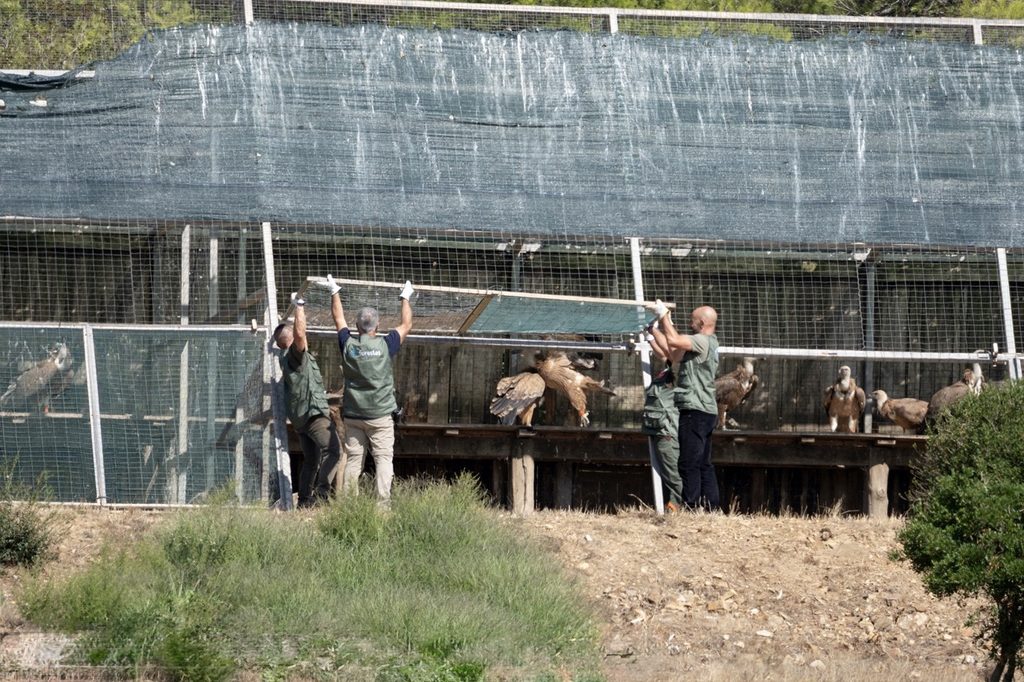
The young bird was subsequently moved to Sardinia, where it spent time in the Monte Genis acclimatisation aviary before being released alongside 15 other vultures.
Before release, all birds underwent veterinary health checks and were fitted with identification and satellite tracking devices.
These systems will allow conservation teams to monitor their movements and collect information about their adaptation to life in the wild.
The operation forms part of a broader conservation programme combining reintroductions with measures designed to reduce the threats that have contributed to the species’ decline.
LIFE Safe for Vultures: restoring Sardinia’s griffon vultures
Sardinia is home to Italy’s only remaining native griffon vulture population.
The species has experienced a substantial decline in Italy, driven by factors including poisoning, reduced food availability and human-related threats.
The LIFE Safe for Vultures project aims to support population recovery while improving the safety of the landscapes into which vultures are released.
Its conservation measures include establishing a network of supplementary feeding stations, preventing poisoning incidents and reducing the risks of electrocution and collisions with infrastructure.
These actions complement the reintroduction programme by addressing threats that could otherwise undermine the survival of released birds.
UIZA highlights the role of zoos in wildlife conservation
Sky’s story has been selected as one of the ten Success Stories presented by the Italian Union of Zoos and Aquariums (UIZA), highlighting the contribution of zoological institutions to species conservation.
“The return to the wild of an animal born in a zoo is one of the most tangible results of the conservation work our institutions can carry out,” says Cesare Avesani Zaborra, President of UIZA.
“Sky’s case also demonstrates the value of its parents. Animals that, although they cannot be reintroduced themselves, can contribute through reproduction to rebuilding wild populations. This work requires zoological, veterinary and scientific expertise, but above all collaboration with those working directly in the field. Conservation does not end within zoological parks: its goal is to achieve results in natural environments as well.”
The ecological importance of griffon vultures
The griffon vulture is one of Europe’s largest birds of prey, with a wingspan reaching up to 2.8 metres.
As a scavenger, it feeds primarily on animal carcasses and plays an important ecological role by removing dead organic matter from the environment and helping reduce certain health risks associated with decomposition.
In Italy, the species is classified as Near Threatened on the national Red List, although its global conservation status differs.
Sky’s release illustrates how zoological institutions can contribute to conservation programmes operating directly in natural habitats. Satellite monitoring will now provide information about the young vulture’s movements and adaptation to life in the wild.