
Two Asiatic lion cubs were born at Edinburgh Zoo on 11 October 2026, marking the first births of the species at the Scottish wildlife park in seven years.
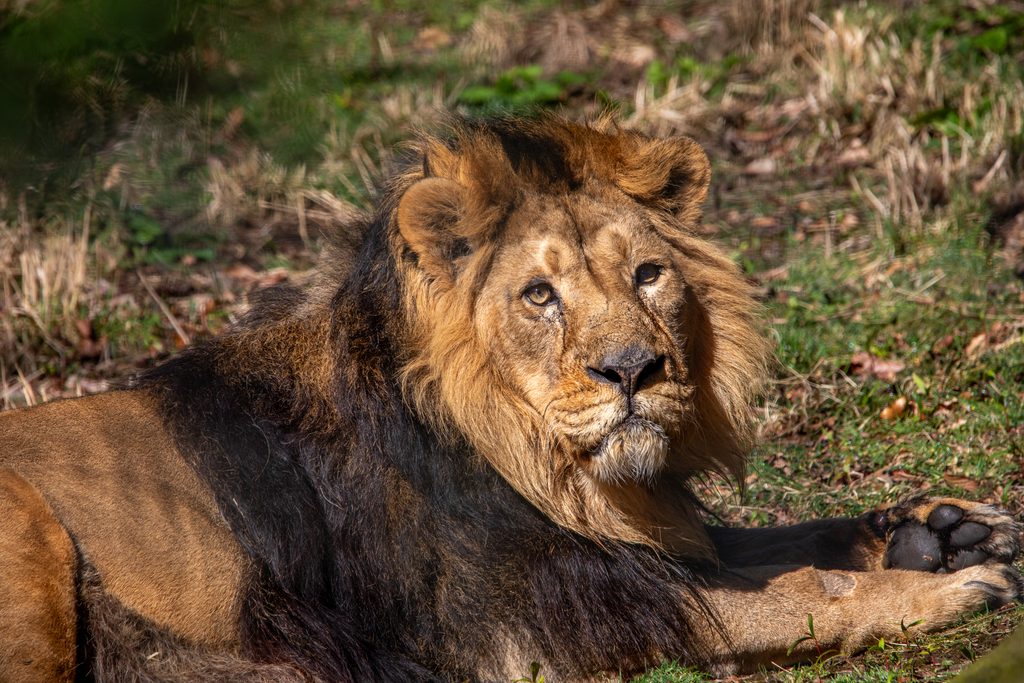
The cubs were born to Bindee, a ten-year-old first-time mother, and 15-year-old male Jayendra, known as Jay.
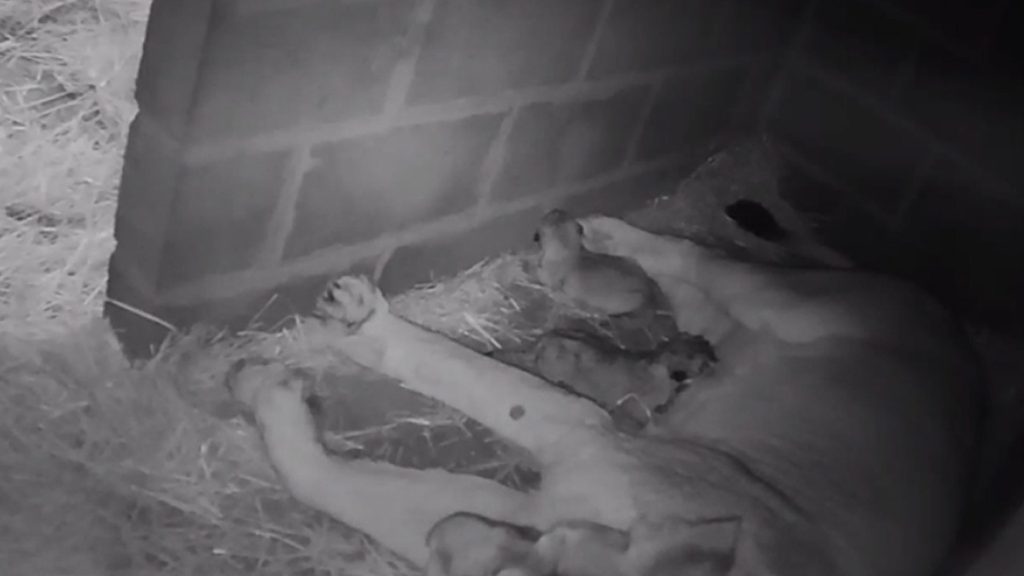
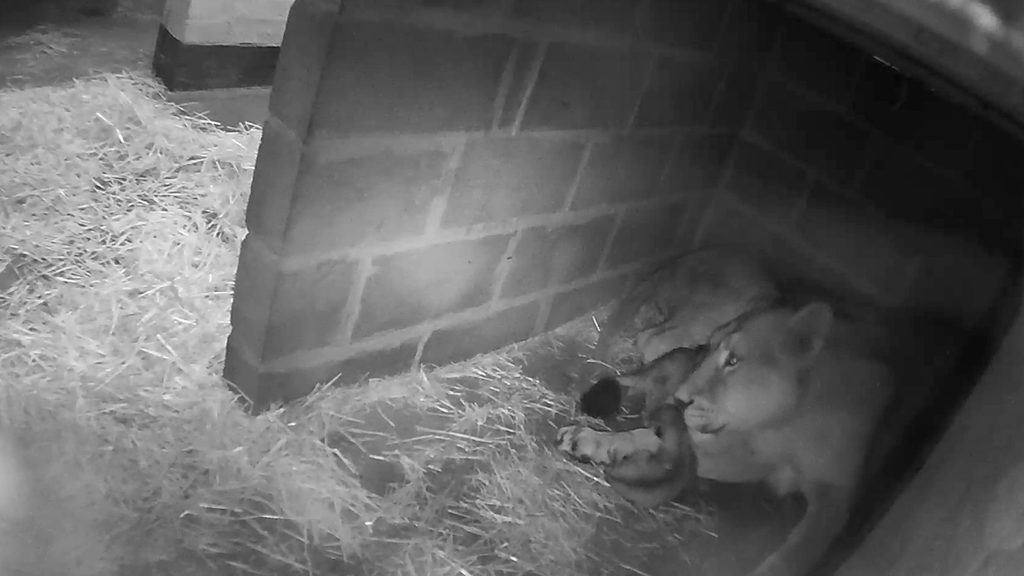
Keepers from the Royal Zoological Society of Scotland (RZSS), which manages the zoo, watched the births through live cameras installed in the cubbing den, allowing the lioness to give birth without disturbance.
According to the wildlife conservation charity, Bindee is caring well for both cubs, while the animal care team continues to monitor the new family.
First-time mother Bindee settles into her new role
Keepers first suspected that Bindee might be pregnant after noticing changes in her appearance and behaviour. Her abdomen had become noticeably larger, and she appeared to be moving more slowly than usual.
Their suspicions grew stronger when the lioness began pacing and making final adjustments to her den in preparation for giving birth.
“We are so proud of Bindee and Jay and absolutely thrilled with the beautiful new arrivals! Mum is happily bonding with the little cubs while Jay is his usual chilled-out self,” said Alison MacLean, RZSS animal team leader.
MacLean also described the anticipation among staff as they waited for the births.
“We suspected Bindee was pregnant for a little while especially after she has been getting on so well with Jay this summer. There was a mix of nerves and excitement as we waited to see if our suspicions were right. To finally have the cubs arrive and see everything going so well is brilliant.”
Cubs will remain off-show for several months
During their earliest stages of development, lion cubs depend heavily on their mothers. In the wild, lionesses also provide most of the care during the first months of life.
Bindee and the two cubs will therefore remain in a private den, away from visitors, while the zoo’s animal care team monitors their development.
The cubs are expected to spend several months in the den before gradually beginning to explore their outdoor habitat.
The lion habitat is currently closed to visitors, and Edinburgh Zoo will provide updates when further information about reopening becomes available.
Asiatic lions: a threatened population surviving in India
The Asiatic lion (Panthera leo leo) is native to Asia and now survives in the wild only in the Indian state of Gujarat, particularly around the Gir Forest and surrounding landscapes.
Asiatic lions are generally slightly smaller than their African counterparts, while males often have shorter, less developed manes.
The population experienced a severe historical decline and remains geographically concentrated. This limited distribution creates conservation challenges, as disease outbreaks, environmental events and other threats could affect a substantial proportion of the wild population.
RZSS highlights the threatened status of Asiatic lions and the importance of maintaining carefully managed populations in zoological institutions.
The latest births mark a significant development for Edinburgh Zoo, which last welcomed Asiatic lion cubs in September 2019, when Mitaali, Keshari and Kushanu were born.
For Bindee and Jay, the arrival of two cubs begins a new stage for the family, with the youngsters expected to spend their first months in the den before gradually exploring their surroundings.