
On World Tiger Day, celebrated today, the Italian Union of Zoos and Aquariums (UIZA) is drawing attention to three of the most emblematic conservation stories of the world’s largest cat. From the Bengal tiger, the symbol of one of modern conservation’s greatest successes, to the Amur tiger, rescued from the brink of extinction but still vulnerable, and finally the Sumatran tiger, now the most threatened tiger subspecies still surviving in the wild. Together, these three stories demonstrate how maintaining a genetically managed “backup” population can help reverse the course of extinction.
“Conservation does not follow a single path,” said Cesare Avesani Zaborra, President of UIZA. “Each subspecies faces different challenges and requires different conservation tools. That is why an international strategy capable of integrating in situ conservation with ex situ conservation is essential today.“
The most encouraging example comes from India, home to around 70% of the world’s wild tigers.
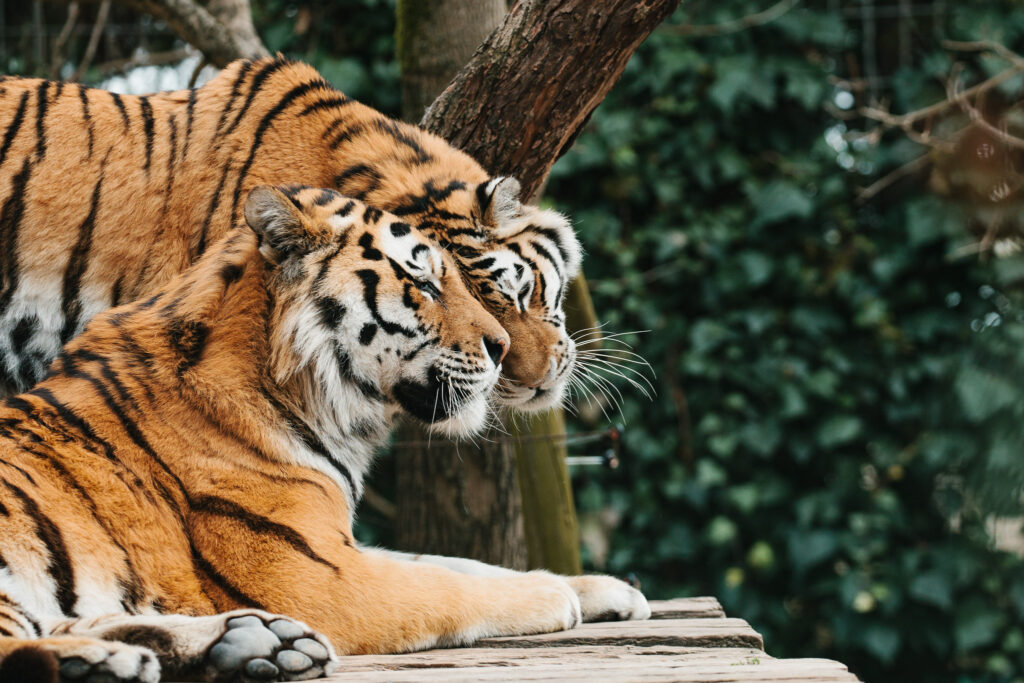
“Thanks to Project Tiger, launched in 1973,” Avesani Zaborra continued, “the population has increased from 1,411 individuals recorded in 2006 to 3,682 in the latest official estimate. This achievement has been built through protected areas, anti-poaching measures and habitat restoration. Today’s challenge is to ensure there is enough space for a growing population, maintain ecological corridors and reduce conflicts with local communities. Another conservation success comes from the forests of the Russian Far East and north-eastern China. In the 1940s, the Amur tiger had declined to just 20–40 individuals; today, between 600 and 750 survive thanks to habitat protection, anti-poaching efforts, increasing natural prey populations and cooperation between Russia and China. This is a significant recovery, but one that remains vulnerable to forest fragmentation and human-wildlife conflict.”
In Sumatra, however, time appears to be running out for the island’s tiger population. The breeding population is estimated at fewer than 400 individuals and is classified as Critically Endangered on the IUCN Red List. More than poaching, it is the continuing destruction of tropical rainforest—largely replaced by oil palm and pulpwood plantations—that now represents the greatest threat to the subspecies.
“The populations maintained in zoos around the world are a strategic component of conservation,” Avesani Zaborra concluded. “This is demonstrated by those subspecies that have benefited for decades from internationally coordinated genetic management programmes. It is even more evident in the case of the Sumatran tiger, where such a small wild population makes it essential to maintain a secure ex situ population as well. When only a few hundred animals remain in the wild, we cannot afford to disregard any of the conservation tools available to us.”

)