
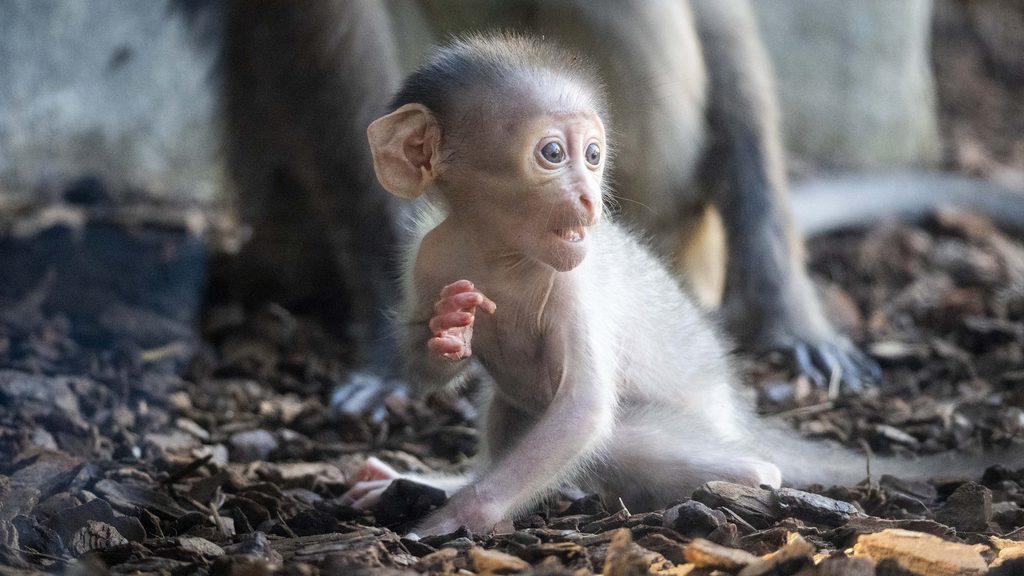
A white-naped mangabey (Cercocebus lunulatus) has been born at Bioparc Valencia, marking another birth for a primate species classified as Critically Endangered on the IUCN Red List.
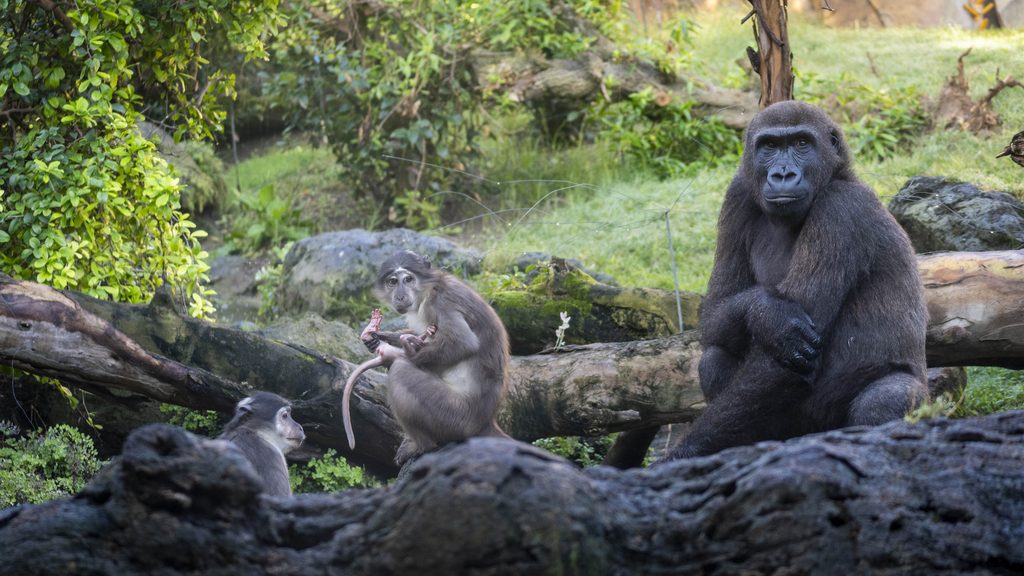
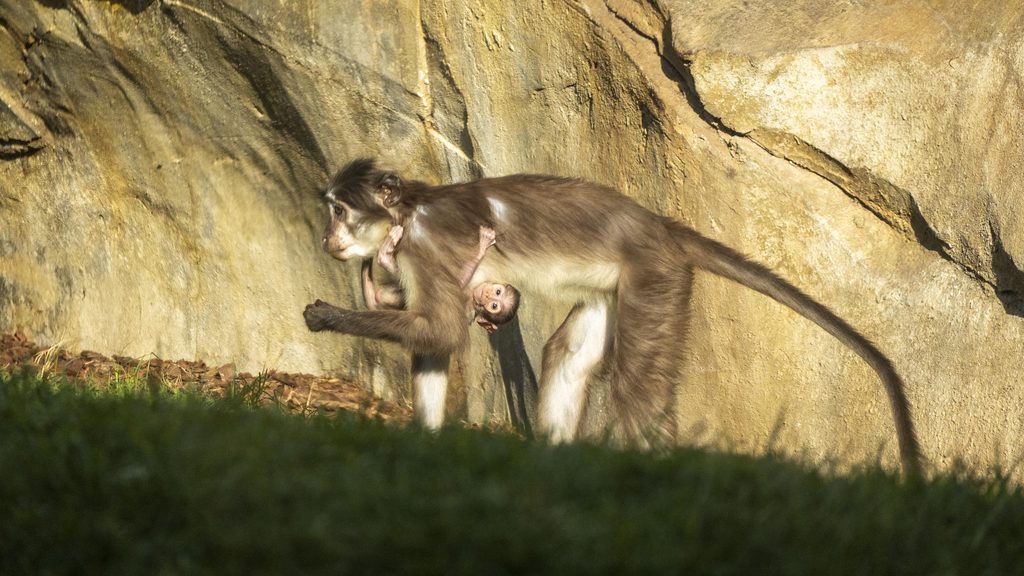
The youngster is developing well and has already begun exploring the enclosure while remaining closely attached to its mother as she moves around. According to Bioparc, this is the only enclosure in Europe where white-naped mangabeys live alongside Western lowland gorillas (Gorilla gorilla gorilla), another Critically Endangered primate.
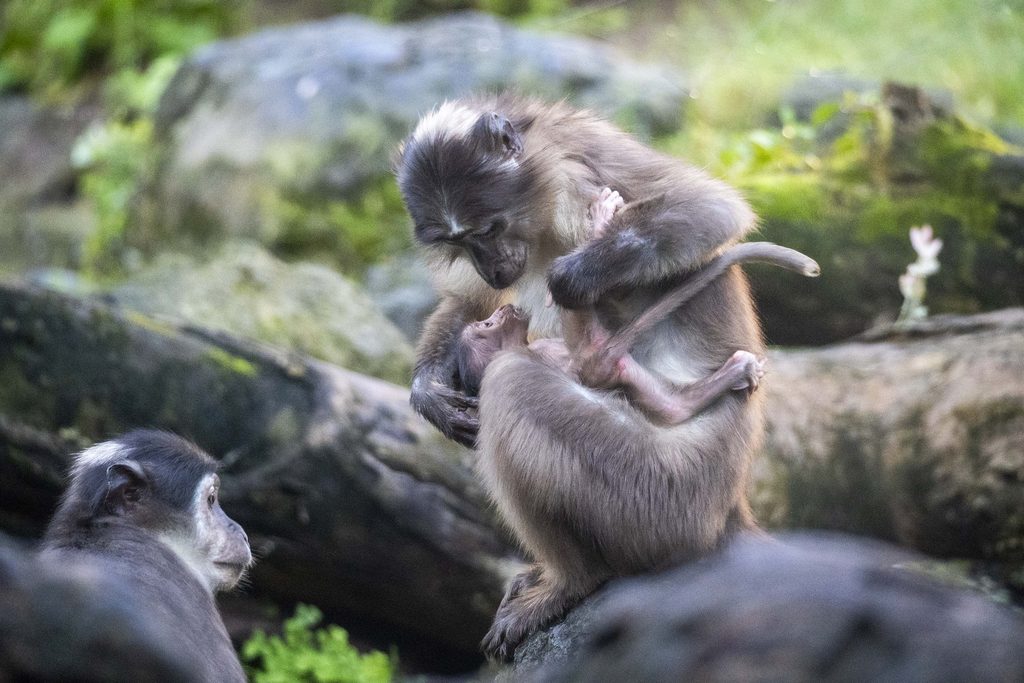
The 12-year-old mother shares the group with a male of the same age and three other females, two of which were born at Bioparc Valencia. The youngster is already attracting the curiosity of both the other mangabeys and the gorillas sharing the enclosure.
Ten births under the European programme
The latest arrival brings the number of white-naped mangabeys born at Bioparc Valencia to ten, as part of the park’s participation in the European Endangered Species Programme (EEP) for the species.
Native to the forests of West Africa, the white-naped mangabey is a medium-sized primate with one particularly distinctive feature: its white eyelids, which contrast sharply with the dark skin of its face and also play a role in communication.
Movements of the eyelids, together with vocalisations used to maintain contact with other individuals and warn of potential dangers, form part of the species’ complex visual and auditory communication system.
White-naped mangabeys also have powerful jaws that allow them to crack hard shells to reach fruit, an important component of their diet, supplemented by seeds, leaves and small invertebrates.
A Critically Endangered primate
Wild populations of Cercocebus lunulatus have undergone a dramatic decline as a result of habitat degradation and hunting pressure.
Alongside ex situ conservation efforts, action is therefore also taking place within the species’ natural range. The Bioparc Foundation participates in the West African Primate Conservation Action (WAPCA) in Ghana, which works to protect threatened primates and their rainforest habitats while involving local communities in their long-term conservation.
The birth in Valencia therefore forms part of both the European management programme for the species and wider efforts to conserve white-naped mangabeys and the ecosystems on which they depend.