
Fifteen fertile eggs, a 44-kilometre journey on foot and six young birds successfully reared to adulthood. An unusual conservation operation in Madagascar has opened up a new possibility for the recovery of the Madagascar pochard (Aythya innotata), one of the rarest ducks in the world.
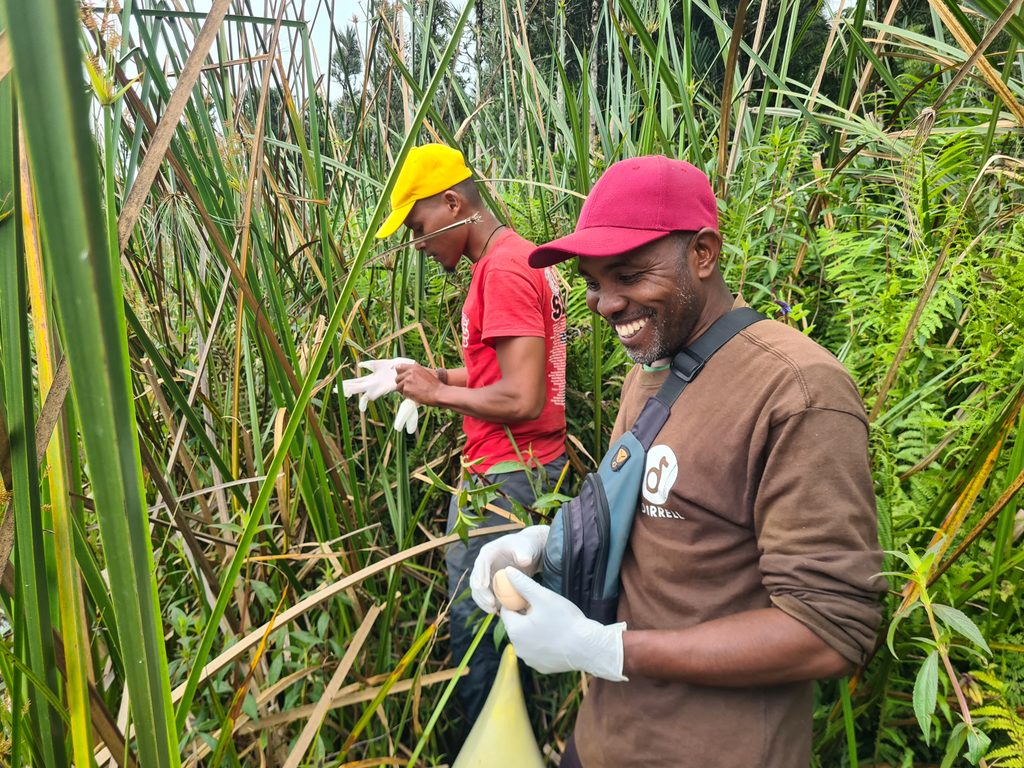
The eggs were collected from Lake Matsaborimena, the species’ only known wild nesting site, during an expedition in November 2025 by Durrell Wildlife Conservation Trust and The Peregrine Fund.
Heavy rainfall was threatening nests at the site, prompting the conservation team to intervene and collect 15 fertile eggs.
Getting them safely to a specialist breeding centre, however, required an extraordinary journey. The fragile eggs had to be carried for 44 kilometres on foot, using a traditional Malagasy method in which they were transported in a cooler.
Their destination was the specialist breeding centre in Antsohihy, where six of the birds eventually reached adulthood.


A new conservation tool for threatened nests
The operation was not only about saving individual eggs. Its success demonstrated that collecting and artificially incubating eggs could become an additional conservation tool when nests are threatened or incubation in the field is not possible.
It could also help increase the genetic diversity of the population under human care, an important consideration for future reintroductions.
The Madagascar pochard has one of the most dramatic conservation histories among waterbirds. For years the species was feared extinct until it was rediscovered in 2006 at a remote lake in northern Madagascar.
Since then, conservation organisations have worked to establish a population under human care and restore the species to suitable habitat.
The six birds reared following the latest expedition now represent another step in that long-term programme and, crucially, demonstrate that eggs threatened in the wild can be transported over considerable distances and successfully incubated.
For a species surviving in such small numbers, the technique could provide conservationists with another option when extreme weather or other threats put nests at immediate risk.