A four-year-old red ruffed lemur (Varecia rubra) has regained its sight after undergoing pioneering cataract surgery at BIOPARC Valencia. The procedure involved the removal of bilateral cataracts and the implantation, for the first time, of custom-made intraocular lenses designed specifically for the animal’s eyes.
The operation was carried out jointly by BIOPARC Valencia and the Veterinary Ophthalmology Service of the Veterinary Clinical Hospital of CEU Cardenal Herrera University (HCV CEU). Following postoperative treatment and veterinary monitoring, the lemur recovered well and has now begun adapting again to its outdoor habitat in the Madagascar area of the park.
The young male arrived in Valencia last year from Veszprém Zoo in Hungary, following a recommendation from the European Endangered Species Programme (EEP), to join another 18-year-old male.
During routine veterinary checks following his arrival, the BIOPARC team noticed opacity in both eyes that was already affecting his normal behaviour. Further examinations confirmed advanced bilateral cataracts, prompting specialists to investigate whether surgery could preserve the young animal’s quality of life and prevent further deterioration of his vision.
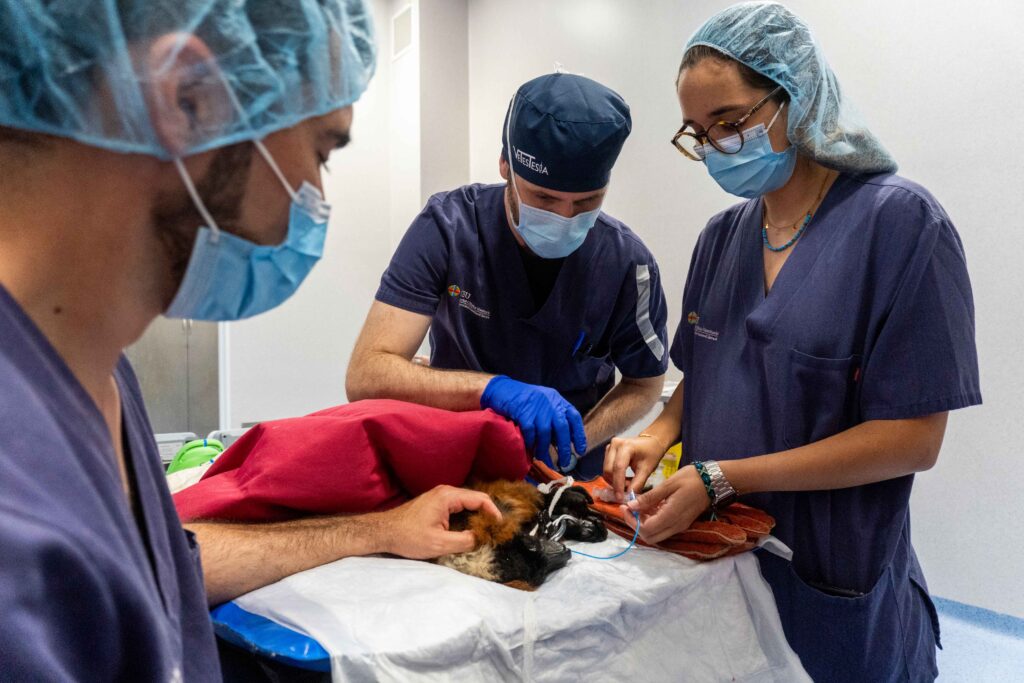
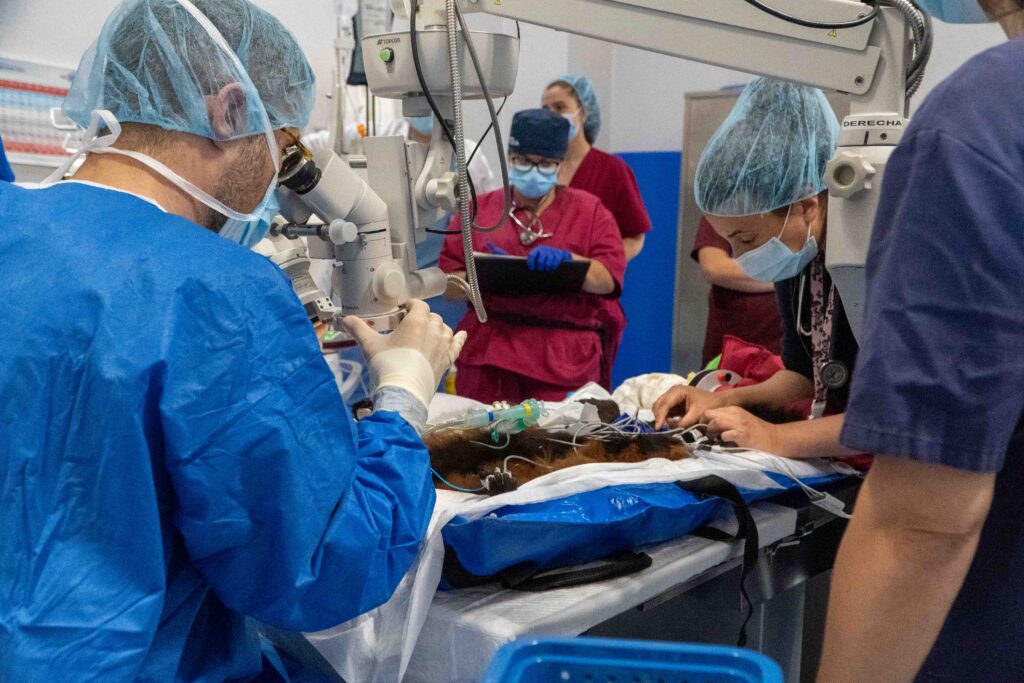
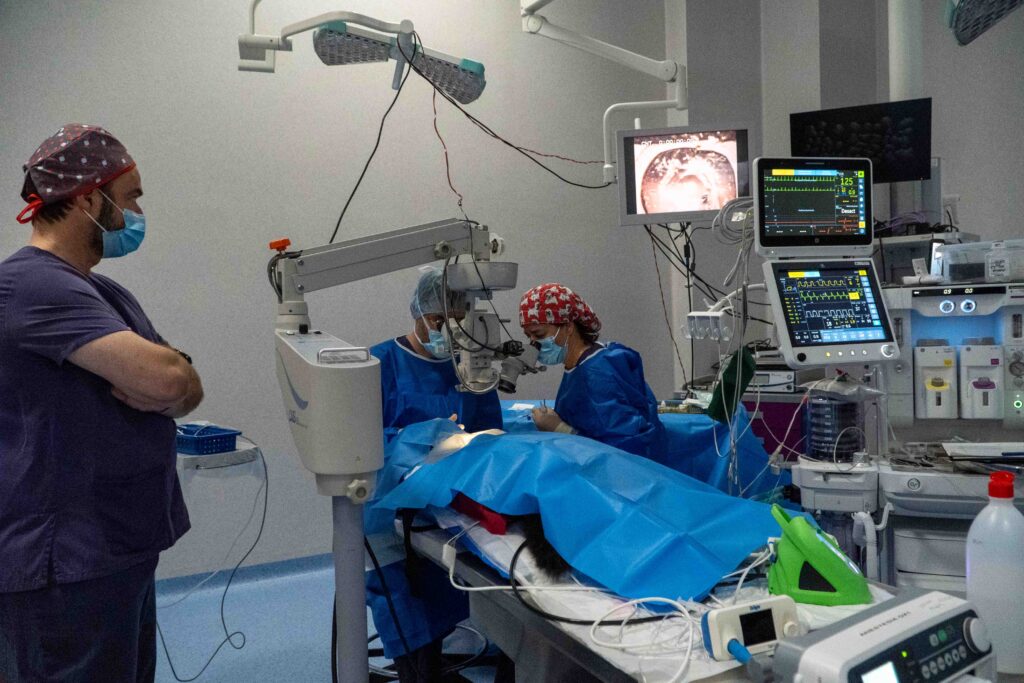
Custom-made lenses for a lemur’s eyes
The procedure required weeks of preparation because of the particular anatomy and small size of the patient’s eyes.
Before surgery, specialists carried out tests to establish that the retina was healthy enough for vision to be restored. Measurements were also taken from a healthy lemur to obtain the parameters needed to produce the lenses.
The Spanish company AJL Ophthalmic then manufactured customised intraocular lenses adapted both to the dimensions of a lemur’s eye and to the required optical power.
The cataracts were removed and the specially designed lenses implanted with the aim of providing greater visual acuity and allowing the animal to interact more effectively with its surroundings.
After surgery, the lemur underwent a period of veterinary monitoring and medication. According to BIOPARC Valencia, recovery has been excellent and the animal has now started the process of returning to its outdoor enclosure.
A Critically Endangered primate
The red ruffed lemur is Critically Endangered and, like all lemurs, is endemic to Madagascar. The animal is part of the coordinated European conservation programme for the species.
BIOPARC Valencia’s Madagascar area currently houses six lemur species, which the park describes as the greatest diversity of lemurs in Spain. Alongside the red ruffed lemur, these include the black-and-white ruffed lemur (Varecia variegata), red-fronted brown lemur (Eulemur rufus), mongoose lemur (Eulemur mongoz), red-bellied lemur (Eulemur rubriventer) and ring-tailed lemur (Lemur catta).
BIOPARC’s conservation work also extends to Madagascar through the BIOPARC Foundation, which supports the Sahamalaza Project, while BIOPARC Valencia and BIOPARC Fuengirola participate in ex situ conservation programmes for threatened lemurs.
The successful operation in Valencia highlights how highly specialised veterinary medicine can also play a role in the conservation and welfare of animals belonging to species facing a high risk of extinction.