
Sixteen western lowland gorillas across BIOPARC Valencia and BIOPARC Fuengirola, alongside conservation work extending from Spain to the forests of the Congo Basin. On World Gorilla Day, marked on September 24, BIOPARC is highlighting the different strands of its work to conserve a subspecies threatened by habitat loss, poaching and disease.
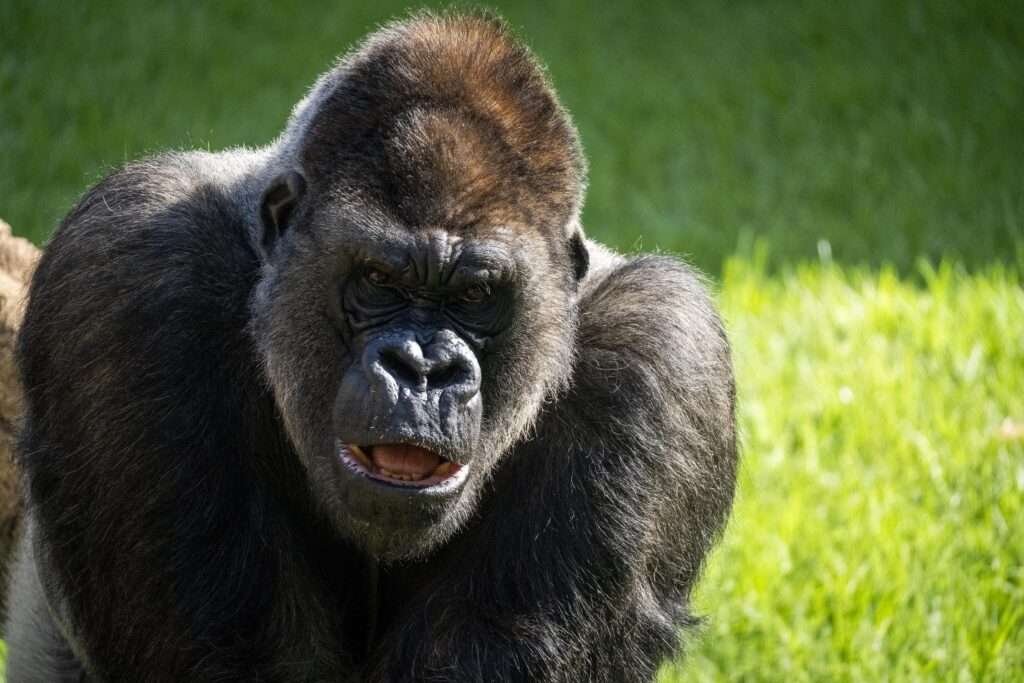
The western lowland gorilla (Gorilla gorilla gorilla) is classified as Critically Endangered on the IUCN Red List. Its conservation therefore requires action both for wild populations and their habitats and for populations managed under professional human care.
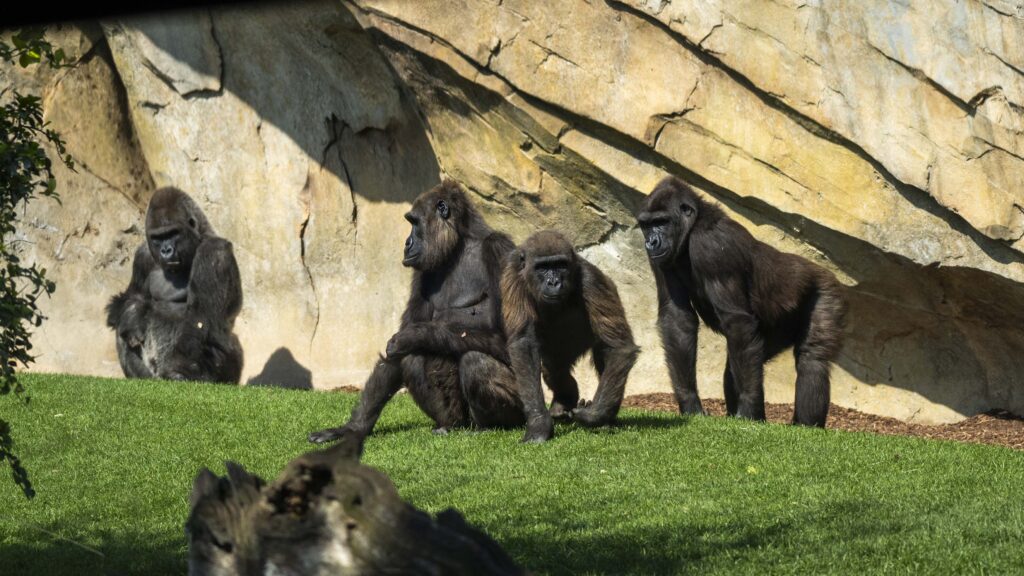
BIOPARC Valencia and BIOPARC Fuengirola currently house a total of 16 western lowland gorillas, which BIOPARC says together form the largest group in Spain and the second largest in Europe.
Both institutions participate in the European Endangered Species Programme (EEP) coordinated by EAZA, the European Association of Zoos and Aquaria. The programme enables coordinated management of the population living in European zoological institutions.
Observing gorillas to better understand their behaviour and needs
Alongside population management, daily observation of the animals is an important part of the work carried out at both BIOPARCs.
Biology, zoology and animal welfare teams monitor the gorillas’ behaviour and needs, using the information they gather to adapt management practices and environmental conditions.
At Valencia and Fuengirola, environments are designed to allow gorillas to express species-typical behaviours. Observation therefore also provides an opportunity to expand knowledge of the animals and progressively improve their welfare.
Education is another part of this approach. According to BIOPARC, giving visitors a better understanding of gorilla behaviour and the ecosystems on which the species depends can help raise awareness of the threats to its survival.
From forest loss to Ebola: the threats facing gorillas
Western lowland gorillas face several major pressures in the wild.
These include forest loss and fragmentation, associated with factors such as logging, infrastructure development and the expansion of human activities. Poaching and the bushmeat trade pose additional threats.
Disease is another serious concern. The Ebola virus, in particular, has caused significant population declines in some areas.
Protecting gorillas therefore also means safeguarding the forest ecosystems on which they depend.
Conservation work in the forests of Congo
The BIOPARC Foundation works on this side of the conservation strategy through projects in Africa combining wildlife and ecosystem protection with research, monitoring, habitat restoration, environmental education and collaboration with local communities.
Among these initiatives is its collaboration with the Wildlife Conservation Society (WCS) in Nouabalé-Ndoki National Park in the Republic of the Congo.
The protected area is an important refuge for wildlife in the Congo rainforest and is home not only to gorillas but also to forest elephants, bongos, red buffalo and chimpanzees.
The strategy follows the principles of the One Plan Approach, integrating conservation action for wild populations with work involving animals under professional human care.
For BIOPARC, World Gorilla Day therefore provides an opportunity to highlight the connection between these two fronts: improving knowledge and management of the population living in European zoological institutions while contributing to the protection of gorillas and the African forests on which their survival depends.