
Artificial intelligence could help detect polar bears before they approach people too closely, reducing the risk of dangerous encounters in Arctic communities.
This is the aim of Bear-vision, a new automated detection system being developed by the international conservation organisation Polar Bears International (PBI).
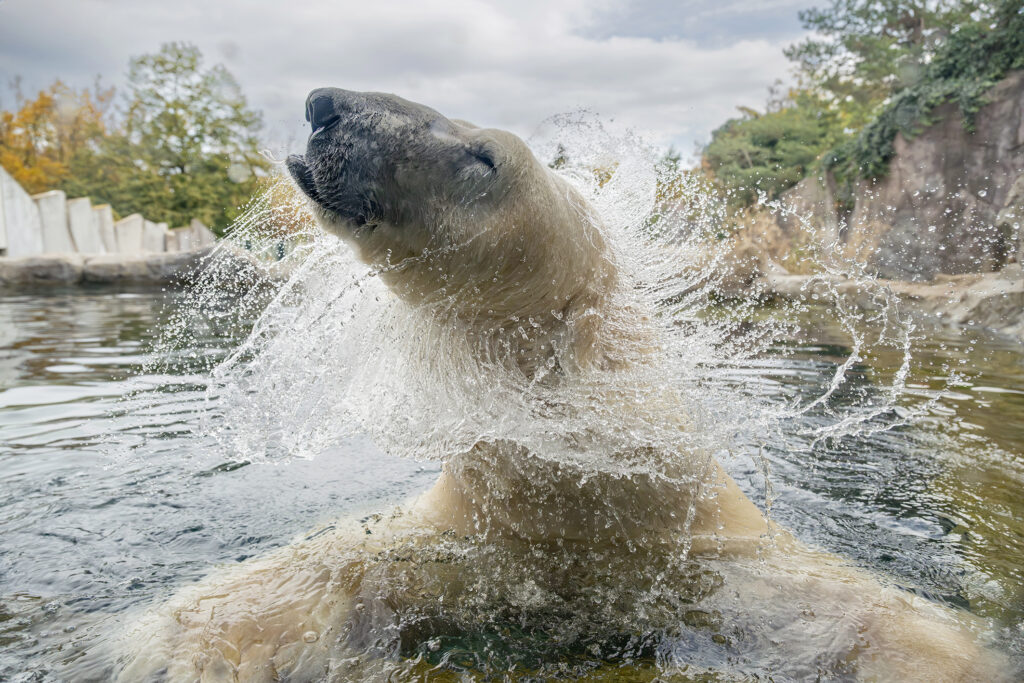
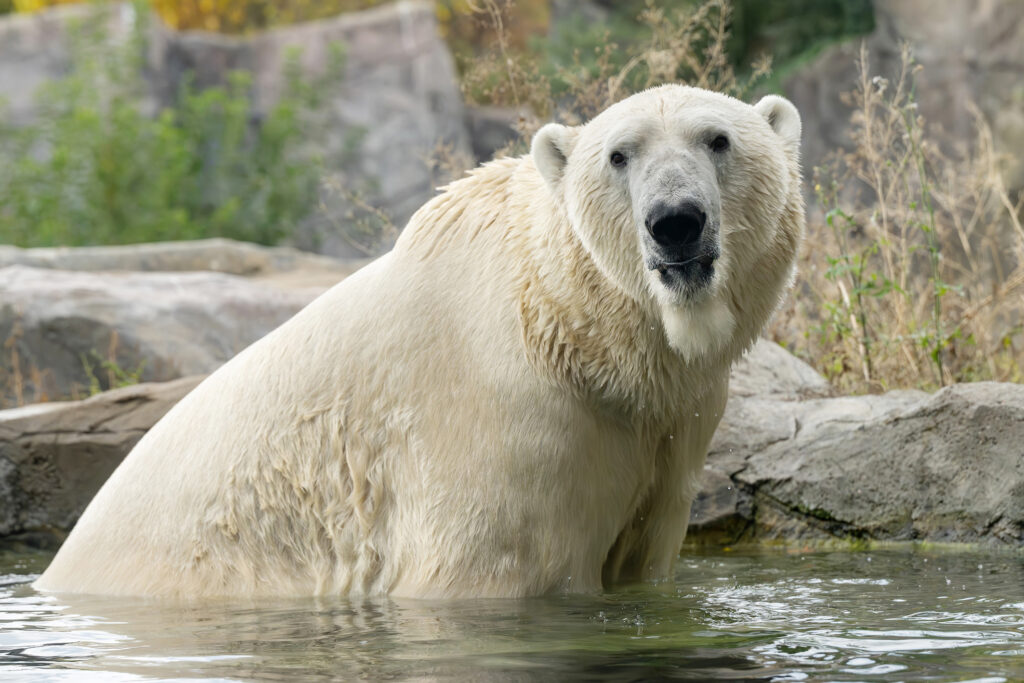
Schönbrunn Zoo (Tiergarten Schönbrunn) in Vienna is joining the research project by providing video recordings of its male polar bear to support the training of the artificial intelligence model.
The initiative is being highlighted during Polar Bear Week, from 1 to 7 November, which raises awareness of the threats facing polar bears and Arctic ecosystems.
The collaboration illustrates how data collected in zoological institutions can contribute to the development of conservation tools for wild populations.
Sea ice loss and human–polar bear conflicts
The polar bear (Ursus maritimus) is closely associated with Arctic ecosystems and depends heavily on sea ice, particularly as a platform for hunting seals.
Climate change is transforming this environment, causing reductions in sea ice extent and seasonal availability.
In some Arctic regions, these changes can lead polar bears to spend longer periods on land, potentially increasing the likelihood of encounters with people.
When bears approach human settlements, dangerous situations can arise for both local communities and the animals themselves.
“Climate change is causing Arctic sea ice to disappear. Polar bears are spending more and more time on land, which can increase human–wildlife conflicts,” explained Stephan Hering-Hagenbeck, Director of Schönbrunn Zoo.
“If the animals are detected early, dangerous situations can be avoided. This not only protects people but can also prevent polar bears from being injured or killed during conflicts.”
Early detection is therefore one area in which new technologies may provide practical conservation benefits.
From Bear-dar to Bear-vision
Polar Bears International has already developed Bear-dar, an AI-assisted radar system designed to detect approaching polar bears and provide early warnings to people.
According to Schönbrunn Zoo, the technology has already been successfully deployed in the Canadian Arctic.
However, its high cost presents a challenge for wider implementation.
PBI is therefore developing Bear-vision, a more affordable alternative based on automated video analysis.
Rather than relying on radar, the new system is intended to identify polar bears in video footage using artificial intelligence.
The aim is to train a model capable of recognising the animals and supporting timely warnings when bears approach areas used by people.
Developing a reliable detection system requires substantial amounts of video footage recorded under different environmental conditions.
How Schönbrunn Zoo is contributing
Schönbrunn Zoo has supported Polar Bears International for many years and is now contributing directly to the development of Bear-vision.
The zoo will provide video recordings of its male polar bear, collected under different weather and lighting conditions.
These recordings will help expand the visual material available for training the artificial intelligence model.
Variation in the footage is particularly important for technology intended for Arctic environments, where visibility can change considerably depending on lighting, weather and background conditions.
The contribution will provide researchers with additional material to develop and refine the system’s ability to recognise polar bears.
Bear-vision remains under development and is not being presented as an already operational detection system.
“This project is an example of how valuable collaboration between zoos and conservation organisations working in the field can be for protecting threatened species,” Hering-Hagenbeck said.
Medical training also contributes to polar bear research
Schönbrunn Zoo’s contribution to polar bear research extends beyond artificial intelligence.
Its male polar bear also participates in a voluntary medical training programme designed to facilitate routine veterinary examinations.
Through regular training sessions, the animal learns to cooperate with procedures that allow veterinarians and keepers to monitor its health without necessarily using anaesthesia.
These behaviours include opening its mouth for examination, stepping onto a weighing scale and voluntarily participating in blood sampling.
Medical training also provides cognitive stimulation, but its primary purpose is to support animal health and veterinary care.
The ability to collect blood samples regularly without anaesthesia provides useful information for monitoring the bear’s physiological condition.
Blood samples provide reference data for wild polar bears
The information obtained through veterinary examinations may also have broader scientific value.
Blood samples collected from the polar bear at Schönbrunn Zoo can contribute to reference datasets that may help researchers interpret examination results from wild polar bears.
Data gathered under controlled conditions can provide additional context for understanding physiological parameters and assessing findings obtained during field research.
This represents another way zoological institutions can contribute to scientific knowledge, connecting the veterinary management of animals under human care with research on wild populations.
Technology and international collaboration for conservation
Schönbrunn Zoo’s participation in Bear-vision highlights the importance of collaboration between conservation organisations and zoological institutions.
Polar Bears International is developing tools to reduce the risks associated with encounters between polar bears and people, while the Vienna zoo is contributing material collected through the care and monitoring of its animals.
The objective is to develop a video-based detection system that is more accessible than existing radar technology, potentially expanding early-warning capabilities in Arctic communities.
The project does not directly address the underlying cause of polar bear habitat loss — the decline of Arctic sea ice — but aims to reduce one of its potential consequences: increased encounters between bears and humans.
Polar Bear Week 2026 therefore provides an opportunity to highlight a practical application of artificial intelligence in wildlife conservation, connecting research conducted in zoological institutions with the protection of animals in their natural habitats.