
98% of lemur species are threatened with extinction, with 31% classified as Critically Endangered. These are the figures from the International Union for Conservation of Nature (IUCN) highlighted by Spanish BIOPARCs on World Lemur Day, 30 October 2026.
BIOPARC Fuengirola, BIOPARC Valencia, Acuario de Gijón and the BIOPARC Foundation have joined the initiative promoted by the Lemur Conservation Network to raise awareness of the situation facing these primates, which are endemic to Madagascar.
Forest destruction, poaching and illegal wildlife trade are among the main threats to their survival.
The initiative also highlights the role of zoological institutions in international conservation programmes and the importance of combining the management of populations under human care with the protection of natural habitats.
Madagascar: a unique biodiversity hotspot under threat
Madagascar is one of the world’s most important regions for biodiversity.
The island’s geographical isolation has contributed to the evolution of highly distinctive wildlife. According to figures reported by BIOPARC, approximately 80% of its species are endemic, meaning they occur naturally nowhere else on Earth.
Among its most recognisable animals are lemurs, a group of primates comprising more than 100 species, with considerable diversity in size, feeding ecology and behaviour.
Despite this biological richness, lemurs are among the world’s most threatened groups of mammals.
The progressive transformation and destruction of forest environments reduces habitat availability and food resources, increasing the vulnerability of wild populations.
These pressures are compounded by poaching and illegal wildlife trade.
Protecting lemurs therefore requires conservation measures addressing both individual species and the ecosystems on which they depend.
Ten lemur species at BIOPARC Fuengirola and Valencia
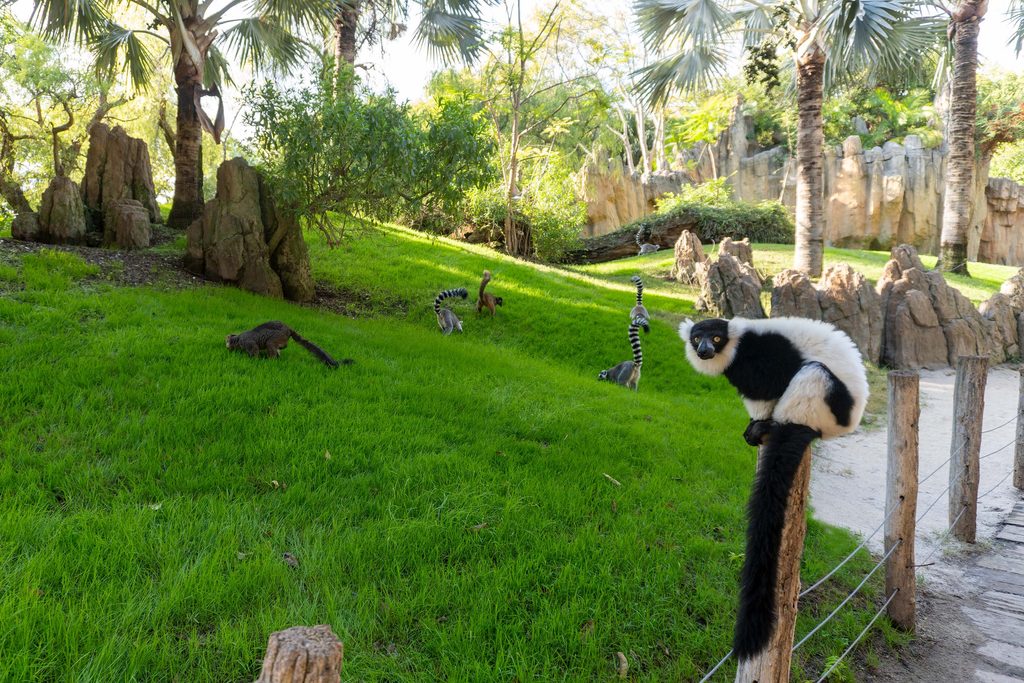
BIOPARC Fuengirola and BIOPARC Valencia collectively house ten lemur species, representing what the institutions describe as the greatest diversity of lemurs in Spanish zoological parks.
The animals live in environments designed to reflect Madagascar’s natural habitats, following the naturalistic zoo-immersion approach adopted by the BIOPARC institutions.
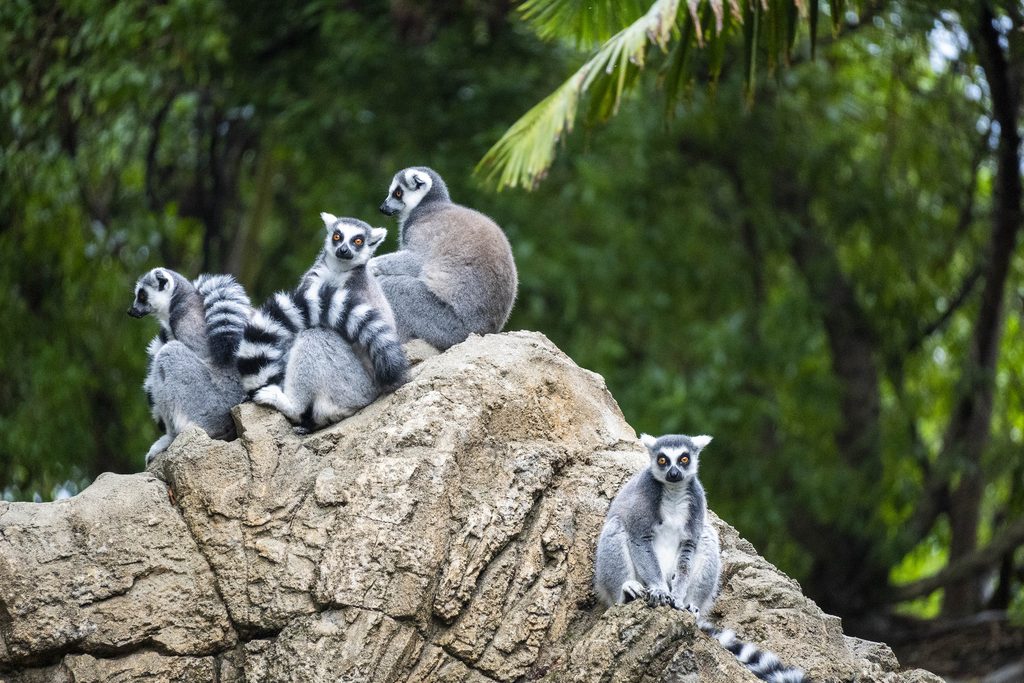
At BIOPARC Fuengirola, visitors can observe species including the black lemur (Eulemur macaco), red ruffed lemur (Varecia rubra), black-and-white ruffed lemur (Varecia variegata) and ring-tailed lemur (Lemur catta).
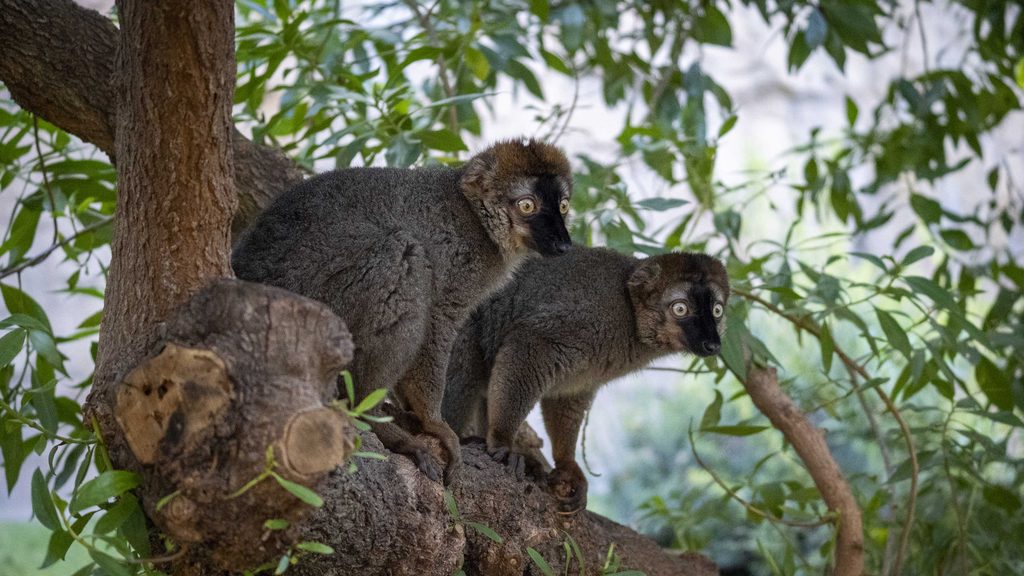
At BIOPARC Valencia, in addition to the latter three species, visitors can see the red-bellied lemur (Eulemur rubriventer), red-fronted brown lemur (Eulemur rufifrons) and mongoose lemur (Eulemur mongoz).
According to BIOPARC, Valencia is the only zoological institution in Spain currently housing mongoose lemurs.
The presence of different species allows visitors to observe characteristic behaviours, including vocalisations, movement through trees and postures used for sun exposure.
One example is basking, particularly recognisable in ring-tailed lemurs, which sit with their limbs extended to expose their bodies to sunlight and assist thermoregulation.
Ex situ conservation and habitat protection in Madagascar
The presence of lemurs in zoological institutions forms part of a broader conservation approach.
The BIOPARC parks participate in international scientific programmes dedicated to managing populations under human care, contributing to ex situ conservation.
These programmes support coordinated population management and help maintain knowledge and expertise relevant to species conservation.
The work carried out within the zoos is complemented by the activities of the BIOPARC Foundation, which supports in situ conservation initiatives in Madagascar.
The Foundation collaborates with AEECL (Association Européenne pour l’Étude et la Conservation des Lémuriens), an organisation dedicated to lemur research and conservation.
The partnership supports ecosystem protection and local community engagement.
This is particularly important because the survival of wild populations depends on forest conservation and the development of protection strategies that take into account the needs of people living in the affected areas.
Lemurs as seed dispersers and forest regenerators
Protecting lemurs is not only about preventing individual species from disappearing.
These primates also perform important ecological functions within Madagascar’s ecosystems.
Many lemur species feed on fruit and contribute to seed dispersal, transporting seeds away from the plants on which they feed.
This process supports the distribution of plant species and can contribute to forest regeneration.
For this reason, lemurs are sometimes described as “gardeners of the forest”.
Their decline could therefore have consequences extending beyond the loss of animal biodiversity, potentially affecting ecological processes that help maintain forest vegetation.
World Lemur Day and the role of zoological institutions
World Lemur Day provides an opportunity to draw international attention to the urgent need to protect these primates and Madagascar’s habitats.
Through educational activities and conservation programmes, BIOPARC Fuengirola and BIOPARC Valencia aim to increase public understanding of lemur species and the threats to their survival.
Observing lemurs in naturalistic environments can also help visitors learn about their behaviour and ecological roles.
However, the figure of 98% of species threatened with extinction highlights the urgent need for coordinated action to protect forests, tackle illegal activities and involve local communities in conservation.
Ex situ and in situ conservation are complementary approaches, but protecting natural habitats remains essential to securing the future of wild lemur populations.