
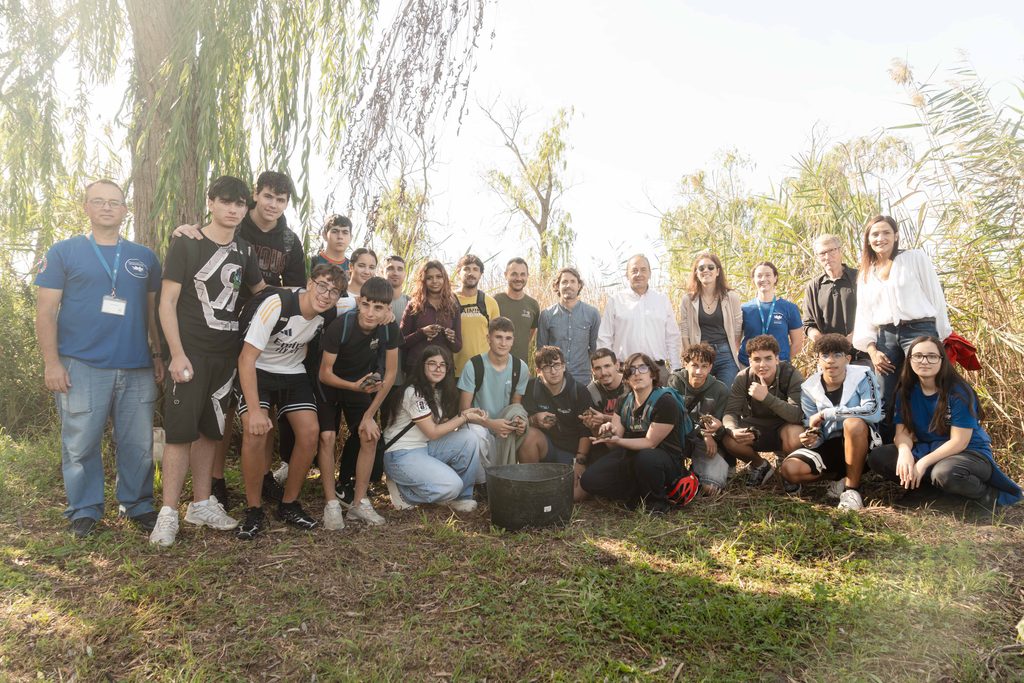
Twelve European pond turtles (Emys orbicularis) were reintroduced into the wild on 22 October at Ullal de la Senillera, near Albalat de la Ribera, within Albufera Natural Park in Spain’s Valencian Community.
The operation, carried out by the Valencian regional government (Generalitat Valenciana) and Fundación Oceanogràfic, aims to strengthen the local population of this native freshwater turtle, which faces increasing pressure from wetland degradation and invasive non-native species.
The twelve turtles came from conservation breeding programmes at Oceanogràfic Valencia and the El Palmar Aquaculture Centre (CAEP), developed through a partnership between the regional environmental authorities and Fundación Oceanogràfic to support threatened species.
The reintroduction forms part of “40 años, 40 acciones por l’Albufera”, a programme launched by the Generalitat Valenciana to mark the 40th anniversary of the natural park’s designation in 1986.
Competition from invasive pond sliders
The European pond turtle is a native freshwater species found in lagoons, ponds, marshes and other aquatic habitats with abundant vegetation.
It is characterised by a generally dark shell and small yellowish markings on its head, neck and limbs.
Its main threats include habitat loss and degradation, changes to freshwater ecosystems and competition from invasive non-native species.
One of the most significant concerns is the presence of the pond slider (Trachemys scripta), a North American species introduced into many European freshwater habitats, including through the abandonment of animals previously kept as pets.
The spread of this invasive turtle poses a threat to native freshwater turtles, with which it may compete for food resources and basking sites.
The presence of invasive species adds to the environmental pressures already affecting native turtle populations, making recovery efforts more challenging.
A conservation programme underway since 2007
Ullal de la Senillera is among the wetland habitats targeted by European pond turtle conservation activities in the Albufera.
Since 2007, the Generalitat Valenciana has carried out reintroduction and population reinforcement measures in response to the species’ previously critical situation in the area.
“The reintroduction of these twelve individuals represents another step towards the recovery of the European pond turtle in the Albufera, where its situation had become particularly critical. With this action, we are strengthening the population at the Senillera springs and consolidating the reintroduction work that the Generalitat has been carrying out since 2007,” said Vicente Martínez Mus, the Valencian regional government’s Vice-President and Minister responsible for the Environment, Infrastructure, Territory and Recovery.
Ignacio Lacomba, Director of Albufera Natural Park, also highlighted the importance of the species’ recovery, referring to its threatened status in the Valencian Community.
“The recovery of the European pond turtle, which we should remember is classified as endangered in the Valencian Community, is crucial for the conservation of the species globally,” Lacomba said.
He also emphasised the importance of cooperation between public authorities, scientific organisations and volunteers in protecting the Albufera’s biodiversity.
Monitoring native turtle populations
The reintroduction programme is accompanied by monitoring activities designed to assess the species’ distribution and population trends in natural habitats.
At Ullal de la Senillera, the environmental organisation Acció Ecologista-Agró is involved through its Projecte Emys, a volunteer-based conservation initiative dedicated to studying and protecting native freshwater turtles.
The project uses observation, temporary capture and monitoring techniques, including funnel traps, to collect information on turtle presence and population trends.
These data support conservation management and help assess the effectiveness of ongoing recovery measures.
Twenty-four students take part in conservation activities
The event also involved 24 students from IES Sucro secondary school in Albalat de la Ribera, who participated in environmental education activities.
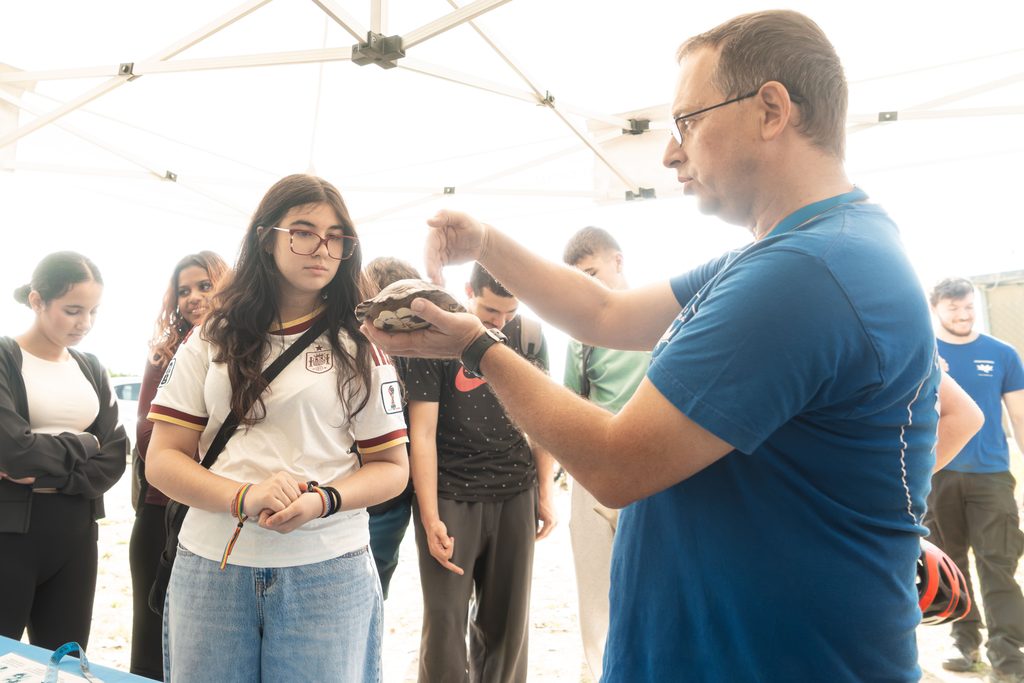
Specialists from Fundación Oceanogràfic and the El Palmar Aquaculture Centre introduced students to the biology and life cycle of European pond turtles, as well as the breeding programmes developed to support wild populations.
Acció Ecologista-Agró explained the monitoring techniques used within Projecte Emys, while Fundación Oceanogràfic’s education team organised a workshop on identifying different freshwater turtle species.
Particular attention was given to the impact of invasive non-native species on aquatic ecosystems, a conservation challenge affecting wetlands across Europe.
The reintroduction of twelve European pond turtles in the Albufera therefore brings together conservation breeding, habitat protection, scientific monitoring and environmental education.
This integrated approach aims not only to increase the number of native turtles in the area, but also to improve the environmental conditions needed for their long-term survival.